
Health monitoring technology for home use has improved dramatically over the past few years. Devices that once existed only in clinical settings — accurate pulse oximeters, validated blood pressure monitors, continuous heart rate sensors — are now available at consumer prices and designed to be used without medical training.
For seniors and their families, this is genuinely useful. The goal isn’t to replace your doctor. It’s to give you better information, catch concerning changes early, and walk into appointments with data instead of guesses.
This guide covers the essential categories of home health monitoring for adults 65 and older: what to prioritize, what’s actually worth buying, and what’s marketing noise.
Why Home Health Monitoring Matters More After 65
The case for monitoring your own health at home gets stronger as you get older, for a few practical reasons.
Office visits are snapshots. Blood pressure measured at a doctor’s office is often elevated simply from the stress of the appointment — researchers call it “white-coat hypertension.” A reading taken at home, relaxed, at the same time every morning, is often more representative of what’s actually happening. Cardiologists increasingly prefer home data to office-visit data for this reason.
Symptoms in older adults can be subtle. A gradual drop in blood oxygen saturation, a slow increase in resting heart rate, or a pattern of slightly elevated blood pressure readings can all be early signals worth flagging — things that might not be obvious without consistent measurement.
And for adult children managing a parent’s care from a distance, even basic at-home devices can provide meaningful peace of mind and a factual basis for conversations with doctors.
The Non-Negotiables: Start Here
Blood Pressure Monitor
If you monitor only one thing at home, make it blood pressure. Hypertension — high blood pressure — affects more than 70% of adults over 65 in the United States and is a leading risk factor for heart attack and stroke. It’s also largely silent; most people with high blood pressure feel no different than they would otherwise.
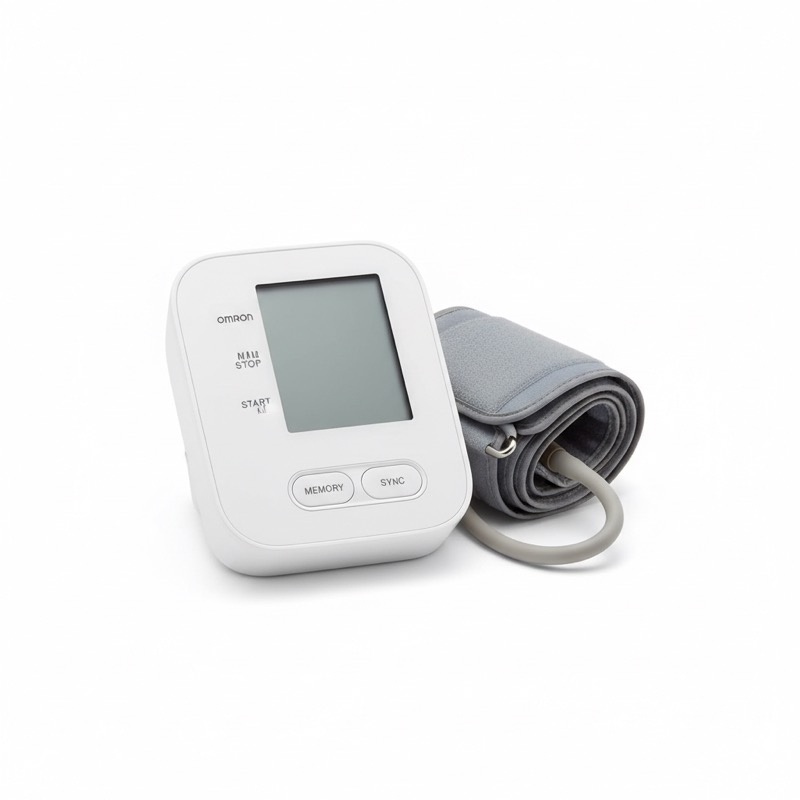
Our top recommendation is the Omron Platinum BP5450. It’s validated by the American Heart Association, cleared by the FDA, and has one-button operation with a large, easy-to-read display. It detects irregular heartbeats and stores 200 readings across two users. The Omron Silver BP5250 is a solid lower-cost alternative for single users.
For seniors with larger arms, the A&D Medical UA-789AC comes with an extra-large cuff included and delivers consistently accurate readings backed by clinical validation.
Measure at the same time each day, sit quietly for five minutes first, and keep a log to share with your physician.
Pulse Oximeter
A pulse oximeter clips onto your fingertip and measures blood oxygen saturation (SpO2) and heart rate in seconds. Normal SpO2 is generally 95–100%. Readings consistently below 92% warrant a call to your doctor.
Pulse oximeters became widely known during the COVID-19 pandemic, but they’ve been clinically useful for years — particularly for seniors managing heart failure, COPD, asthma, or sleep-related breathing issues.
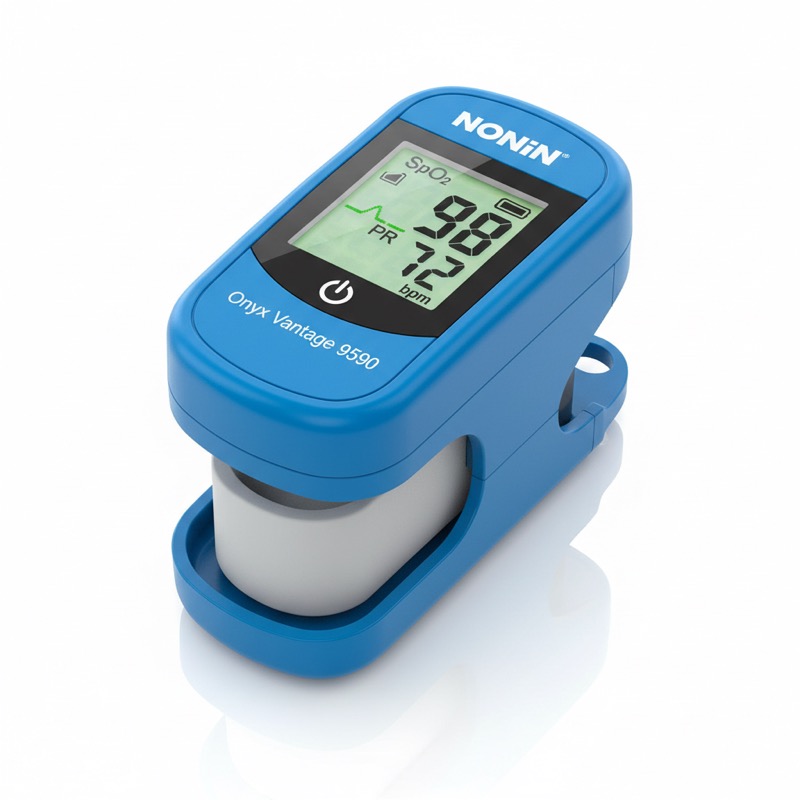
The Nonin Onyx Vantage 9590 is the gold standard for clinical accuracy and is used in hospitals and by home health nurses. For home use, the Masimo MightySat is a serious consumer-grade option that measures multiple parameters and syncs to a smartphone. For straightforward, affordable home monitoring, the Zacurate Pro Series 500DL consistently earns high marks for accuracy and ease of use.
One important note: darker skin tones can affect accuracy in some lower-end pulse oximeters. The Masimo and Nonin devices have been specifically validated across a wider range of skin tones.
Smartwatches and Wearables: Useful, With Caveats
Wearables have become genuinely capable health tools, but they require a calibrated sense of what they can and can’t do.
Apple Watch Series 10
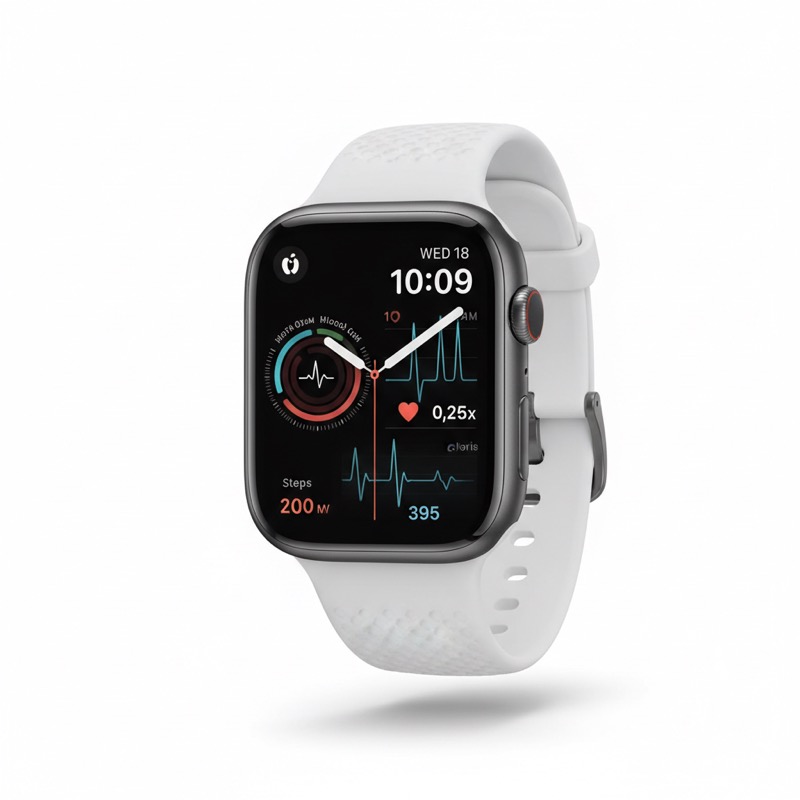
The Apple Watch Series 10 is the most medically capable consumer wearable currently available. It features an FDA-cleared ECG that can detect atrial fibrillation — a heart arrhythmia that significantly increases stroke risk and is more common in older adults. It also tracks heart rate continuously, monitors for irregular rhythm notifications, and detects falls.
The fall detection feature alone makes it worth serious consideration for seniors living alone. If the watch detects a hard fall and the wearer doesn’t respond within about 60 seconds, it automatically calls emergency services and sends location data to emergency contacts.
The honest caveat: the Apple Watch requires an iPhone, charges daily, and has a learning curve. For seniors who aren’t already iPhone users or who find smartwatches fussy, it may not be the right fit.
Fitbit Charge 6
The Fitbit Charge 6 is a more accessible alternative for seniors who want heart rate monitoring, sleep tracking, and activity data without the complexity of a full smartwatch. It’s lighter, simpler, and has a longer battery life. It doesn’t offer ECG capability, but its continuous heart rate monitoring can flag unusual patterns worth discussing with a doctor.
Withings ScanWatch 2
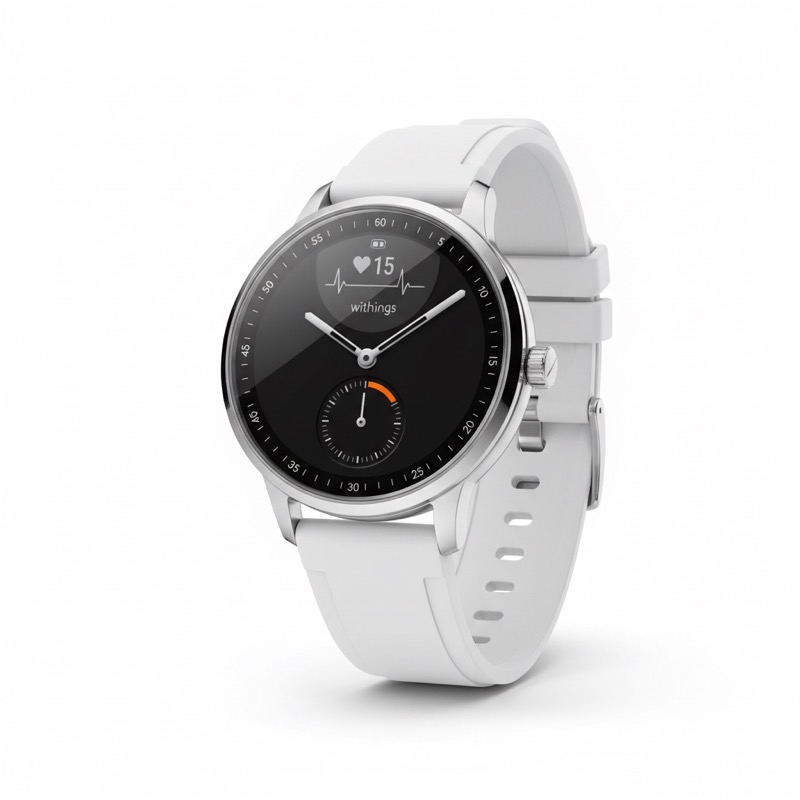
The Withings ScanWatch 2 looks like a traditional analog watch but includes an FDA-cleared ECG, SpO2 monitoring, and up to 30 days of battery life. For seniors who dislike the look and feel of obvious fitness trackers, this is a compelling option — it blends into a normal daily routine without looking clinical.
Glucose Monitoring: For Seniors Managing Diabetes
Type 2 diabetes becomes more prevalent with age, and blood glucose management is a daily reality for millions of seniors. Home glucose monitoring has been standard for decades, but the technology has improved substantially.
Traditional fingerstick glucometers like the OneTouch Verio Reflect and Contour Next One remain accurate and affordable, with large displays and straightforward operation. They require a small blood sample from a fingertip lancet.
Continuous Glucose Monitors (CGMs) like the Dexcom G7 and Abbott FreeStyle Libre 3 are now available and provide real-time glucose readings from a small sensor worn on the arm — no fingersticks required for ongoing monitoring. CGMs are increasingly recommended for older adults with diabetes because they flag dangerously low glucose levels (hypoglycemia) that can happen suddenly and cause falls or confusion.
CGMs typically require a prescription and coordination with your doctor. If you’re managing diabetes, ask your physician whether a CGM is appropriate for your situation.
Supplements to Support Healthy Blood Sugar
For many seniors over 65, keeping blood sugar in a healthy range is a daily concern — even for those who haven’t been diagnosed with diabetes. Diet, activity levels, and aging all affect how the body regulates glucose, and some people find nutritional support helpful alongside their doctor’s guidance.
Sugar Defender is a liquid supplement formulated with a blend of plant extracts and nutrients designed to support healthy blood sugar levels and energy throughout the day. It’s taken daily and is popular among adults looking for a natural addition to their wellness routine.

Concerned about blood sugar spikes between doctor visits?
Sugar Defender
This supplement is not a replacement for medication, medical monitoring, or your doctor’s advice. If you’re managing diagnosed diabetes, always coordinate with your healthcare provider before changing your routine.
Thermometers and Beyond
A reliable thermometer is a simple but important household tool. The Braun ThermoScan 7 ear thermometer gives consistent readings with minimal user effort and is widely recommended for adults with mobility limitations that make oral thermometers awkward to use.
Weight scales with memory and trend tracking — like the Withings Body+ — can help seniors and caregivers spot unexpected weight loss or fluid retention, both of which can be early signs of health changes worth discussing with a doctor. Sudden weight gain of two or more pounds overnight can be an early warning sign of worsening heart failure.

Feeling sluggish or low energy, especially in winter?
Day-Lights SAD Light Therapy Lamp
How to Use Home Monitoring Data Effectively
The point of gathering health data at home is to use it in conversation with your healthcare providers. A few habits make that easier:
- Keep a simple log. A notebook, a spreadsheet, or a dedicated app (many monitors include one) — whichever you’ll actually maintain. Date, time, and reading.
- Bring your monitor to appointments. Your doctor can compare your home readings to the office measurement and calibrate accordingly.
- Don’t overreact to a single unusual reading. One elevated blood pressure number after a stressful morning is not a crisis. A pattern of elevated numbers over two weeks is worth a call.
- Share access with a trusted family member if you’re comfortable doing so. Many devices and apps make this straightforward.
Frequently Asked Questions
Do any of these devices replace regular doctor visits? No — and none of them are designed to. Home health monitoring devices help you and your doctor make better-informed decisions together. They can prompt earlier conversations, give context to symptoms, and help you track whether a treatment is working. They are not diagnostic tools on their own.
Are health monitoring devices covered by Medicare? Coverage varies by device and medical necessity. Blood pressure monitors may be covered under Medicare Part B with documentation. CGMs for diabetes are increasingly covered. Wearables like smartwatches are generally not covered. Check with your Medicare plan or ask your doctor’s office to help determine what may be reimbursable in your specific situation.
What’s the single most important device for a senior to have at home? For most people over 65, a validated upper-arm blood pressure monitor is the highest-value starting point. Hypertension is extremely common in this age group, largely symptom-free, and meaningfully reducible with treatment — but only if you know it’s elevated. Everything else on this list is useful; the blood pressure monitor is essential. For seniors noticing conversation difficulty or TV volume creep, the best hearing amplifiers for seniors are another high-impact, low-cost addition.