Best Compression Socks for Seniors: Reduce Swelling & Improve Circulation
Swollen ankles by late afternoon. Legs that ache after a short walk. That heavy, tired feeling that keeps you off your feet when you’d rather be moving. If this sounds familiar, you’re not alone — millions of older adults deal with poor leg circulation and edema every day. The good news is that the right pair of compression socks can genuinely change how your legs feel, and finding the best compression socks for seniors doesn’t have to be complicated.
We’ve researched and reviewed the top options available, focusing on what actually matters for older adults: ease of putting them on, the right compression level, comfort for all-day wear, and fit for wider feet or calves.
What Are Compression Socks and Why Do Seniors Need Them?
Compression socks are specially designed hosiery that apply gentle, graduated pressure to your legs — tighter at the ankle, gradually looser as they move up toward the knee or thigh. That pressure helps push blood upward, back toward your heart, instead of letting it pool in your feet and ankles.
As we age, the valves in our leg veins naturally weaken. This makes it harder for blood to travel against gravity back to the heart. The result: swelling, discomfort, varicose veins, and in some cases, more serious circulatory problems like deep vein thrombosis (DVT).
According to the National Institutes of Health (NIH), graduated compression therapy is a well-established, evidence-based treatment for chronic venous insufficiency — one of the most common causes of leg swelling in adults over 60.
Compression socks are also recommended for:
- Seniors who sit or stand for long periods
- Those who travel frequently (especially by plane)
- People managing diabetes with related circulation issues
- Anyone recovering from leg surgery or a blood clot
Understanding Compression Levels
Not all compression socks are created equal. The pressure is measured in millimeters of mercury (mmHg), and choosing the right level matters.
| Compression Level | mmHg | Best For |
|---|---|---|
| Mild | 8–15 mmHg | Tired, achy legs; preventive use; travel |
| Moderate | 15–20 mmHg | Mild swelling, varicose veins, post-surgery |
| Medical Grade | 20–30 mmHg | Moderate edema, DVT prevention, lymphedema |
| Prescription | 30–40 mmHg+ | Severe conditions — require doctor’s prescription |
For most seniors dealing with everyday swelling and fatigue, 15–20 mmHg is the sweet spot. Those with diagnosed venous insufficiency or swelling from a medical condition often benefit from 20–30 mmHg. Always check with your doctor before moving to higher compression levels.
The 6 Best Compression Socks for Seniors
Here are our top picks, chosen for comfort, ease of use, and proven effectiveness for older adults.
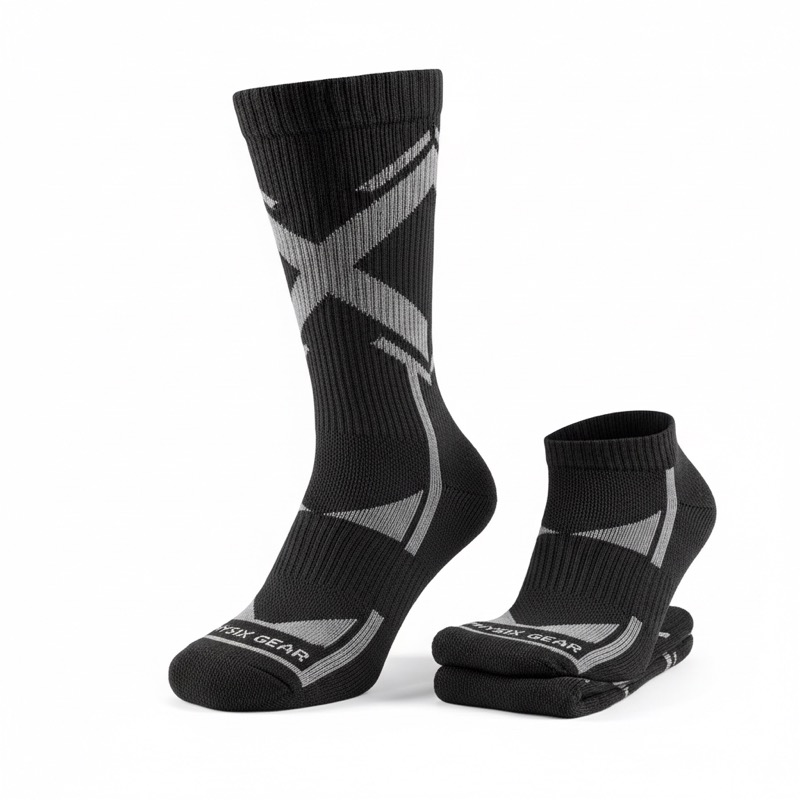
Physix Gear Compression Socks – Best Overall
When we looked at what seniors actually need in a compression sock — reliable pressure, durability, easy pull-on, and affordability — the Physix Gear Compression Socks checked every box. These have been a top seller for years, and for good reason.
The 20-30 mmHg graduated compression is strong enough to make a noticeable difference in leg swelling by the end of the day. The moisture-wicking fabric keeps your feet dry, and the reinforced toe and heel hold up through repeated washing without losing compression.
Price: ~$17–20 | 20-30 mmHg | Multiple sizes including wide calf
Key Features
- Graduated 20-30 mmHg compression — hospital-recommended level
- Moisture-wicking nylon/spandex blend keeps feet dry all day
- Reinforced heel and toe for long-lasting durability
- Available in 8 sizes and over 20 color options
- Machine washable — holds compression after 50+ washes
Sockwell Moderate Lifestyle Compression Socks – Best Premium
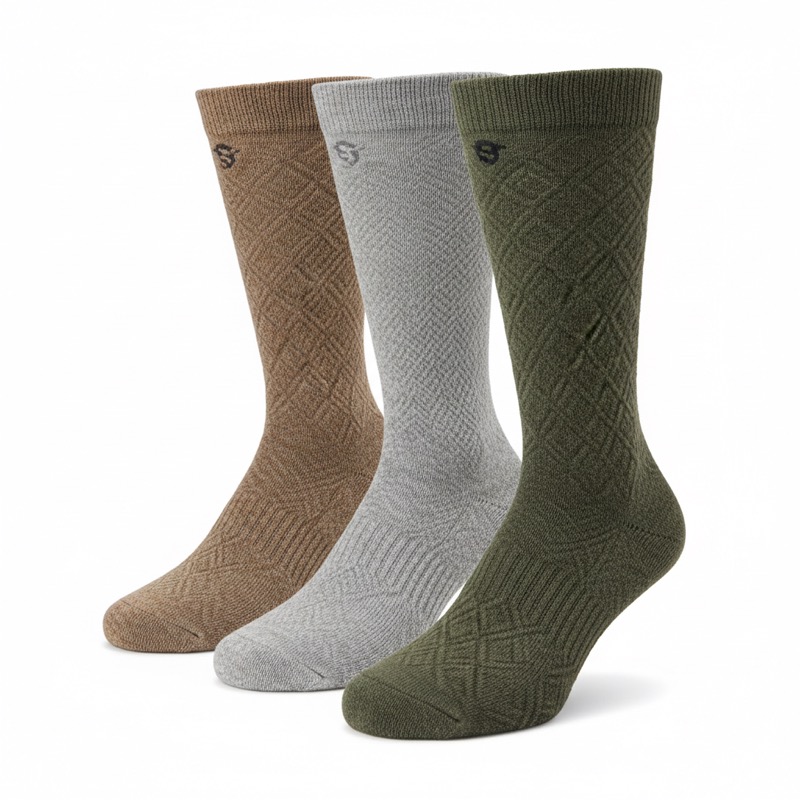
If you’re willing to spend a little more for everyday comfort, Sockwell’s merino wool compression socks are worth every dollar. The merino wool blend is naturally temperature-regulating — warm in winter, cool in summer — and resists odor better than synthetic fabrics.
The 15-20 mmHg moderate compression level is ideal for daily wear, especially if your swelling is mild to moderate. Sockwell also makes wider calf options, which is a real advantage for seniors whose ankles or calves fluctuate in size throughout the day.
Price: ~$35–42 | 15-20 mmHg | Wide calf available
Key Features
- 15-20 mmHg graduated compression — ideal for daily wear
- Merino wool blend — naturally odor-resistant and temperature-regulating
- Extra-wide calf fit accommodates swollen legs
- Machine washable — maintains compression through many washes
- Made in the USA
Vim & Vigr Compression Socks – Best Style
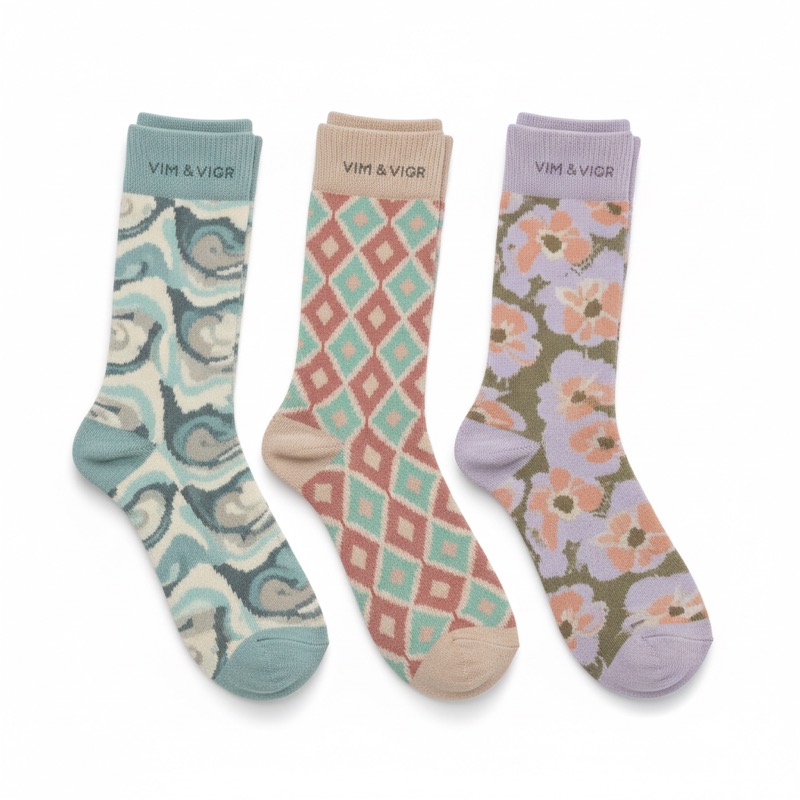
One of the biggest complaints we hear from seniors about compression socks: they look clinical and unattractive. Vim & Vigr solves that problem completely. These socks come in dozens of patterns — stripes, plaids, florals, solids — that look like normal dress or casual socks.
More than just style, they offer solid 15-20 mmHg graduated compression in multiple fabric options including cotton, nylon, and moisture-wicking microfiber. Wide calf sizing goes up to 21 inches.
Price: ~$28–35 | 15-20 mmHg | Wide calf up to 21”
Key Features
- 15-20 mmHg graduated compression
- Available in cotton, nylon, and moisture-wicking microfiber
- Wide calf sizes up to 21 inches circumference
- Dozens of stylish patterns — no “medical sock” look
- Seamless toe reduces pressure points
CEP Progressive+ Compression Socks – Best Medical-Grade
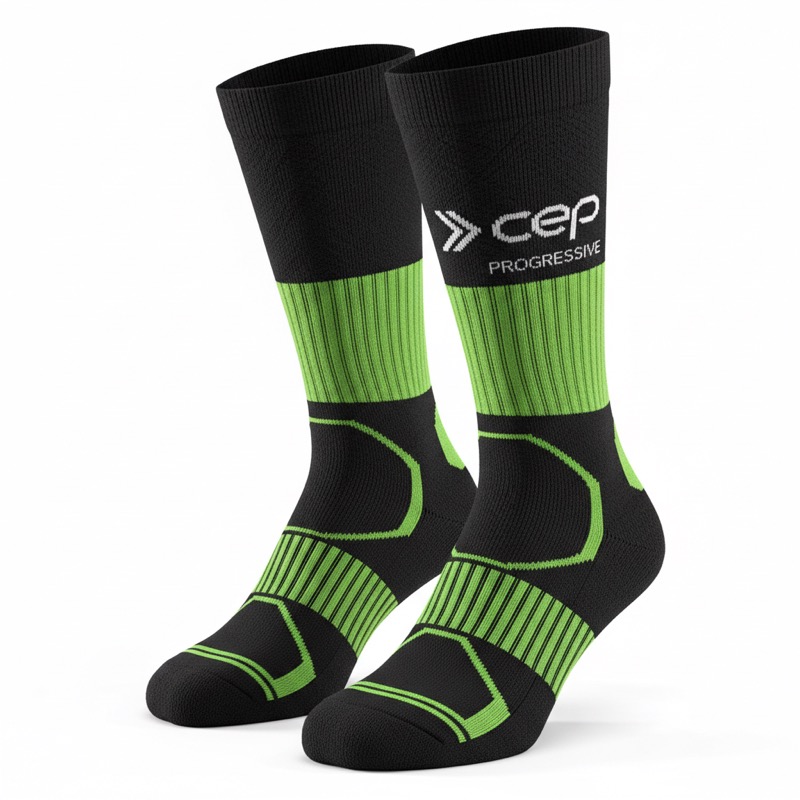
For seniors managing more serious circulation issues — moderate edema, post-surgical recovery, or DVT prevention — the CEP Progressive+ socks deliver medical-grade 20-30 mmHg compression in an anatomically precise fit. CEP’s manufacturing process guarantees the exact compression level printed on the package.
These are more challenging to put on than lighter compression socks, so a sock donning aid (see our best mobility aids for seniors) can be helpful. Once on, the fit is snug, supportive, and effective.
Price: ~$40–55 | 20-30 mmHg | Precise anatomical sizing
Key Features
- 20-30 mmHg certified medical-grade compression
- Anatomically shaped for left and right foot
- Seamless toe for pressure-free comfort
- Certified as a medical device in Germany, USA, and EU
- Flat knit construction reduces irritation
Copper Compression Socks for Women – Best for Senior Women
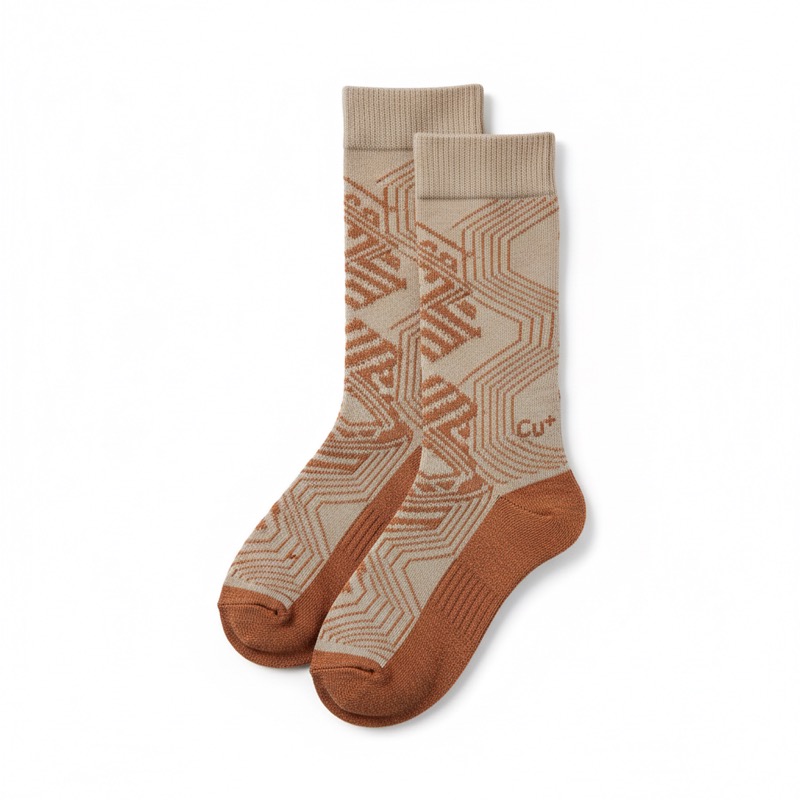
These copper-infused compression socks have developed a loyal following among senior women specifically because the open-toe option makes them easy to wear with sandals or orthopedic shoes. The copper infusion provides antimicrobial protection — helpful for anyone dealing with foot odor or fungal issues.
The 15-20 mmHg compression is comfortable for all-day wear, and the extra cushioning on the sole is a welcome bonus for anyone spending time on hard floors.
Price: ~$18–25 | 15-20 mmHg | Open-toe option available
Key Features
- 15-20 mmHg graduated compression for everyday wear
- Copper-infused fabric — antimicrobial, odor-resistant
- Open-toe design works with sandals and orthopedic footwear
- Extra cushioning on the sole and heel
- Available in women’s sizes S through 3XL
Dr. Scholl’s Compression Socks – Best Value
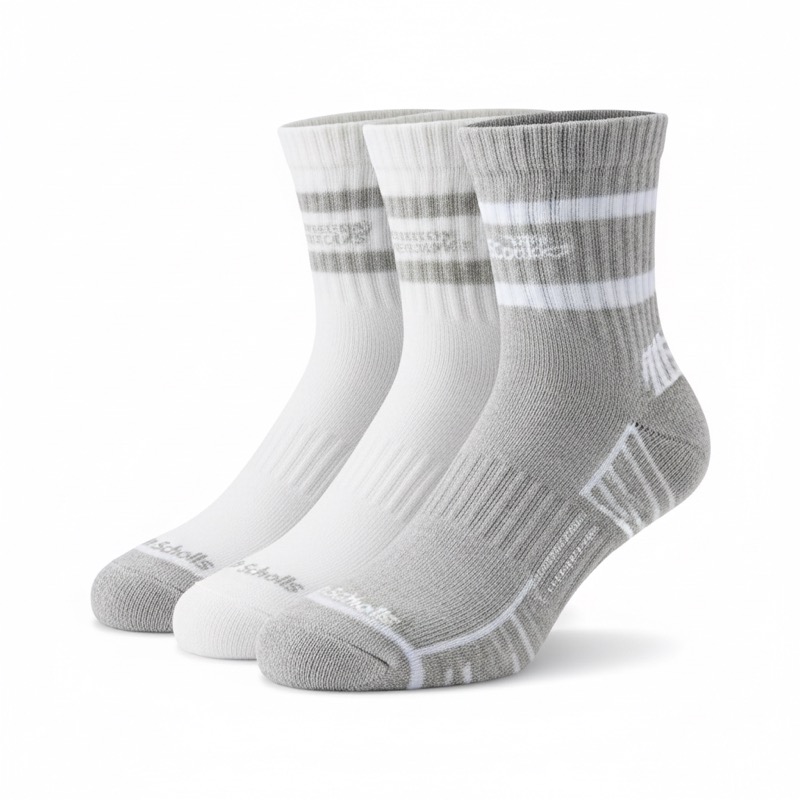
For seniors on a fixed income who want reliable compression without a premium price, Dr. Scholl’s remains a trusted go-to. The brand has decades of podiatric credibility, and these socks deliver 15-20 mmHg compression in a comfortable, easy-pull design.
Extra-wide sizing makes them accessible for seniors with edema or wider feet. They’re available at most pharmacies and big-box stores, making replacement easy. They won’t last as long as merino wool options, but at $10–15 per pair, the value is hard to beat.
Price: ~$10–15 | 15-20 mmHg | Extra-wide sizing
Key Features
- 15-20 mmHg moderate graduated compression
- Extra-wide sizing accommodates swollen feet and larger calves
- Trusted podiatrist-recommended brand with decades of history
- Available at pharmacies, Walmart, Target — easy to replace
- Budget-friendly without sacrificing basic compression quality
How to Choose the Right Compression Socks
Get the Right Size
This is the single most important factor. Compression socks that are too small will cut off circulation — the opposite of what you want. Too large and they won’t provide effective compression at all.
Measure your ankle circumference (smallest point above the ankle bone), calf circumference (widest point), and calf length. Most brands provide detailed sizing charts. Measure in the morning when swelling is at its lowest.
Consider How Easy They Are to Put On
This is a real practical concern for many seniors. Higher compression means more resistance when pulling on the sock. Options that help:
- Open-toe socks — easier to thread onto the foot
- Sock donning aids — stocking donning devices (see our mobility aids for independent living) allow independent dressing
- 15-20 mmHg socks — generally easier to put on than 20-30 mmHg
Match Compression to Your Condition
If your doctor has diagnosed chronic venous insufficiency, DVT, or lymphedema, follow their recommendation for compression level. For everyday swelling prevention and circulation support, 15-20 mmHg is appropriate for most seniors without a prescription.
Look for Wide Calf Options
Swollen legs fluctuate in size. A sock that fits in the morning may feel tight by evening. Brands like Sockwell, Vim & Vigr, and Copper Compression offer wide-calf sizing specifically for this reason.
Tips for Wearing Compression Socks
Put them on first thing in the morning. Swelling accumulates throughout the day. Wearing compression socks before you get out of bed — or within 30 minutes of waking — captures the benefit before edema sets in.
Wear them consistently. Compression socks work best as a daily habit, not an occasional remedy. Most people notice the biggest difference after two to three weeks of consistent wear.
Wash them regularly. The elastic fibers that provide compression break down from sweat and skin oils. Wash every 1-2 days. Most quality socks maintain compression for 3-6 months of regular use with proper washing. Replace them when the fabric starts to sag.
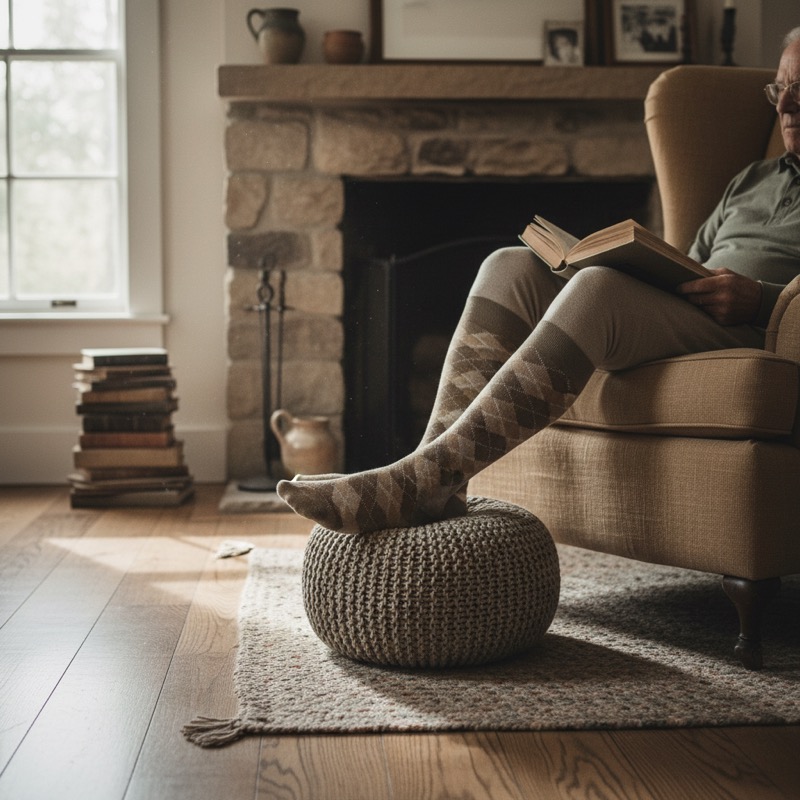
Elevate your legs in the evening. Compression socks do the work during the day; elevation at rest helps your body process the remaining fluid overnight. Even 20 minutes with your feet raised above heart level makes a difference.
For seniors also using a walking cane or other mobility aid, note that compression socks can be worn comfortably with most standard footwear and orthopedic shoes.
When to Talk to Your Doctor
Compression socks are safe for most healthy seniors, but there are situations where you should check with your physician before starting:
- Peripheral artery disease (PAD) — compression can restrict already-reduced blood flow
- Severe neuropathy — reduced sensation makes it harder to detect if socks are too tight
- Active skin infections or open wounds on the leg
- Congestive heart failure — compression therapy affects fluid dynamics systemically
If your swelling is sudden, severe, accompanied by warmth or redness, or only affects one leg, see a doctor promptly. These can be signs of DVT or another condition requiring immediate medical attention.
Our Recommendation
For most seniors, the Physix Gear Compression Socks offer the best combination of effective compression, durability, and value. If you prefer natural fibers or tend toward wider calves, the Sockwell Moderate Lifestyle socks are worth the upgrade. And if your doctor has recommended medical-grade compression, the CEP Progressive+ is the most precisely engineered option in this list.
The most important thing is consistency — a good pair of compression socks worn daily will make a real, measurable difference in how your legs feel by end of day.
Also worth exploring: our guide to best non-slip bath mats and mobility equipment guide for a complete picture of fall prevention and daily comfort at home.
Stay Informed
Want more tips for senior health, comfort, and independence at home? Join thousands of seniors and caregivers who get our weekly guides — practical advice, no fluff, no spam.