Shower chairs and shower benches are often mentioned in the same breath, but they solve slightly different problems. Getting clear on which one fits your situation — or the situation of someone you’re helping — takes about five minutes of thinking. This guide gives you that framework.
The short version: a shower chair is for someone who needs mobile, flexible seating in any shower; a shower bench is for someone with a larger shower or walk-in setup who wants permanent, wall-supported seating. Most people start with a chair.
The Core Difference
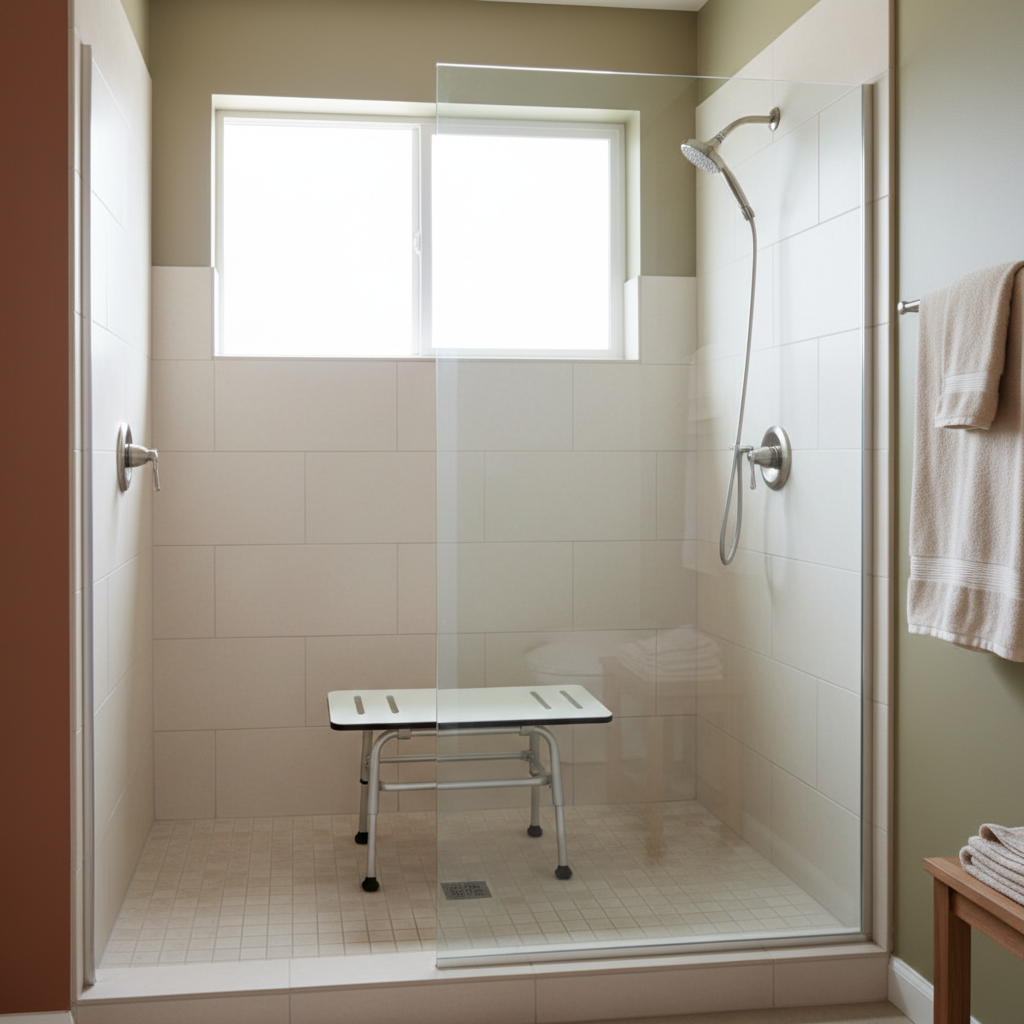
A shower chair is a freestanding seat with four legs. It goes anywhere there’s a flat shower floor. No installation, no tools, no commitment. You can move it, store it, or take it to a hotel.
A shower bench spans the width of a shower stall or tub surround, typically with two legs on the floor and two ends resting on the walls — or wall-mounted with no floor legs at all. It stays put, holds more weight with more stability, and accommodates a wider range of movements. It requires installation.
Neither is objectively better. The right answer depends on your shower layout, your physical situation, and how permanent you want the solution to be.
When a Shower Chair Makes More Sense
You have a standard tub/shower combo. A 4-legged chair fits in the tub space without modification and can be positioned exactly where it’s most useful.
You want flexibility. If multiple people use the same shower, a chair can be moved out of the way when it’s not needed. A wall-mounted bench is always there.
You’re in a rental or don’t want to make modifications. Chairs require zero installation. You plug them in (so to speak) and use them.
You’re in post-surgery recovery. If shower seating is a temporary need — after knee replacement, hip surgery, or an illness — a chair is the low-commitment, low-cost solution. When you no longer need it, you fold it up or donate it.
Our pick for shower chairs: The Drive Medical Deluxe Folding Chair (12052KD-1) is the right starting point for most people. It adjusts from 14 to 20 inches in height, weighs about 7 lbs, and folds flat. The open back makes it easier for a caregiver to assist with washing. It supports 300 lbs.
For a more padded, comfortable option, the Carex Bath and Shower Seat features a padded seat surface and angled legs that keep it stable on sloped tub floors — a detail that matters in older tubs where the floor isn’t perfectly level.
When a Shower Bench Makes More Sense
You have a walk-in shower with a flat floor. A tub-to-shower conversion or zero-threshold walk-in is where benches truly shine. With no tub edge in the way, a full bench across the shower width creates a safe, comfortable seating area.
You need to transfer from a wheelchair. A teak or solid bench that spans the shower allows someone to slide from a wheelchair onto the bench and then slide into position — this transfer technique is much harder with a four-legged chair.
You want something permanent and sturdy. Wall-anchored benches — particularly teak fold-down models — don’t shift or wobble under load. The wall connection is the difference between a piece of furniture and a piece of safety equipment.
You want a long-term home modification. If you’re planning to age in place, a built-in shower bench is often part of a broader accessibility upgrade alongside grab bars and a handheld showerhead.
Our pick for shower benches: The Teak Bench from ANZZI or a comparable teak fold-down bench (several quality brands sell nearly identical models) anchors to the shower wall, folds up when not in use, and provides a warm, spa-like surface that’s genuinely more comfortable than plastic. Teak is naturally water-resistant and doesn’t harbor mold the way other wood species do.
For a non-wood option, the Moen Home Care Fold-Down Shower seat is a white poly-resin bench that mounts to the wall and folds flat. It supports up to 500 lbs — higher than most teak benches — and its clean white finish blends with most shower tile.
Side-by-Side Comparison
| Shower Chair | Shower Bench | |
|---|---|---|
| Installation | None | Wall mounting required |
| Portability | Yes | No |
| Works in tub/shower | Yes | Limited (needs flat floor) |
| Best for transfers | Adequate | Better |
| Stability | Good (4 legs on floor) | Excellent (wall-anchored) |
| Storage when not in use | Folding models store flat | Fold-down models save space |
| Price range | $30–$100 | $80–$300+ |
| Weight capacity (typical) | 250–400 lbs | 300–500 lbs |
A Few Things Both Options Need
Regardless of which you choose, a few accessories improve safety and comfort meaningfully:
Handheld showerhead. A shower seat only works well with a handheld showerhead that can be directed from a seated position. A fixed overhead showerhead becomes awkward and difficult when you’re seated lower. Handheld heads are inexpensive and easy to swap in.
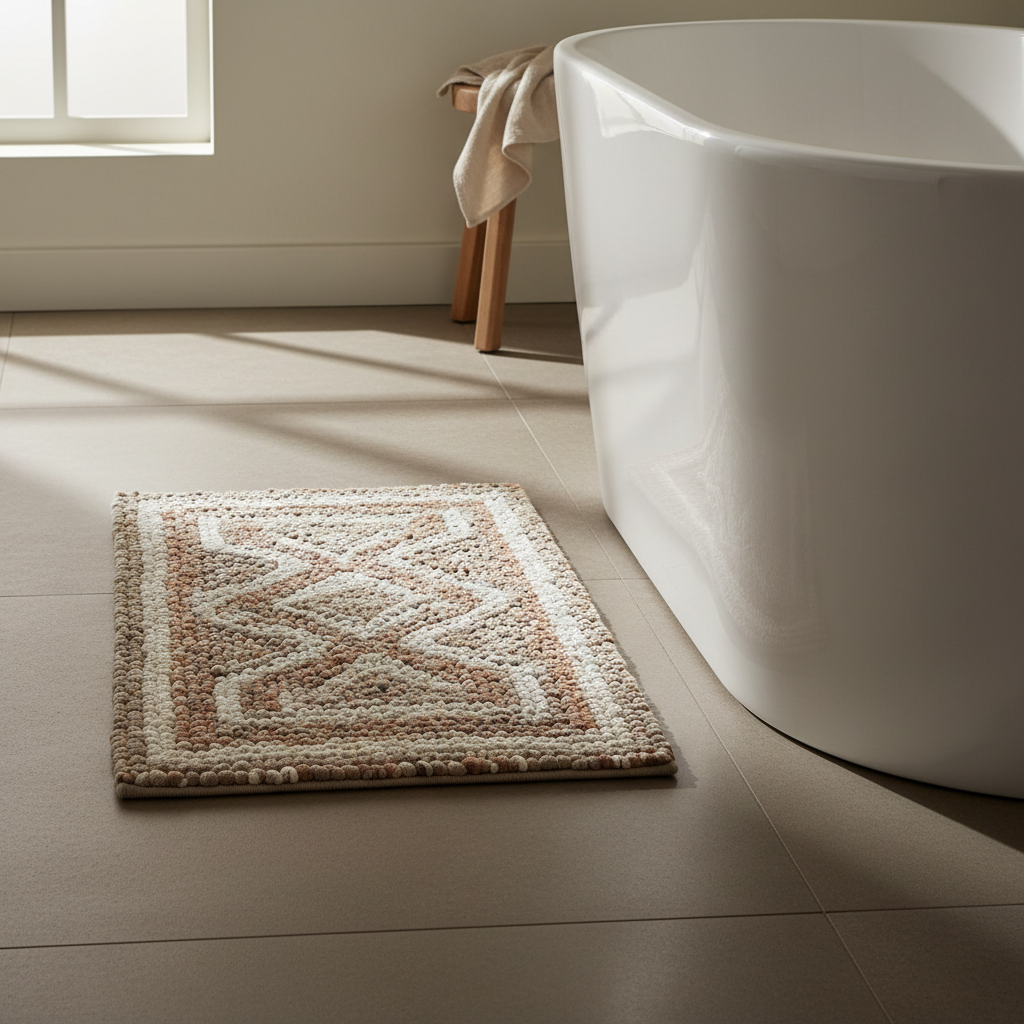
Non-slip mat. Even with seating, the shower floor needs grip. A rubber mat or textured shower liner prevents the chair or bench legs from sliding under load.
Grab bar positioned for seated entry. Standing up from a seated position in the shower is the highest-risk moment. A grab bar positioned at the right height — reachable while seated, usable while standing — bridges that gap.
Frequently Asked Questions
Can I use a shower chair in a walk-in shower? Yes. A four-legged shower chair works well in walk-in showers as long as the floor is flat enough for all four legs to make solid contact. On sloped shower floors designed for drainage, some chairs may rock slightly — look for models with individually adjustable leg heights if this is a concern.
How do I clean a shower chair or bench? Rinse the chair after each use to clear soap residue. Periodically clean with a mild bathroom cleaner and a soft brush, paying attention to the leg feet and seat surface where bacteria accumulate. Teak benches benefit from occasional treatment with teak oil to preserve the wood, though many users find raw teak weathers acceptably even without treatment.
What weight capacity do I need? Buy at least 50 lbs more capacity than the user’s current weight. This buffer accounts for the dynamic forces involved in sitting down and standing up, which exceed static weight. If someone weighs 220 lbs, look for a chair rated to at least 275 lbs — and 300+ if that rating is available in the model you want.