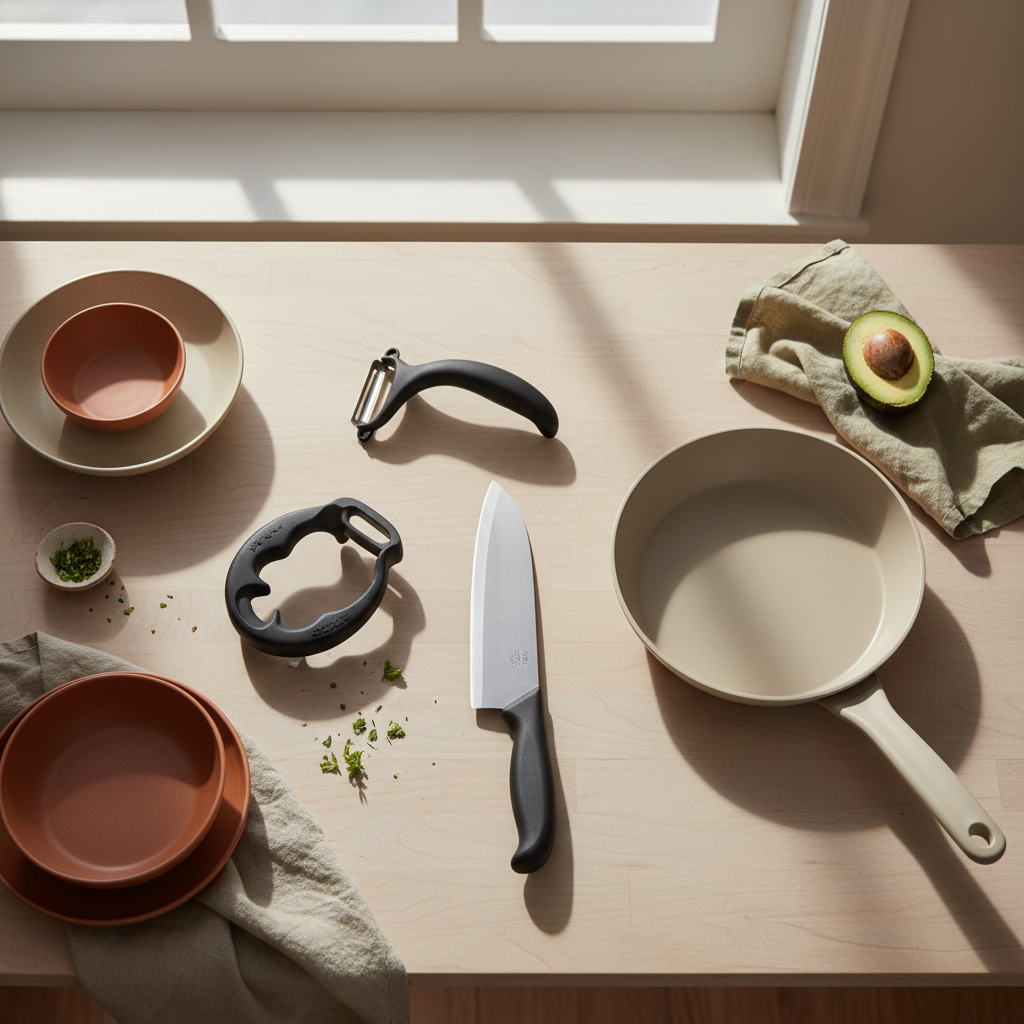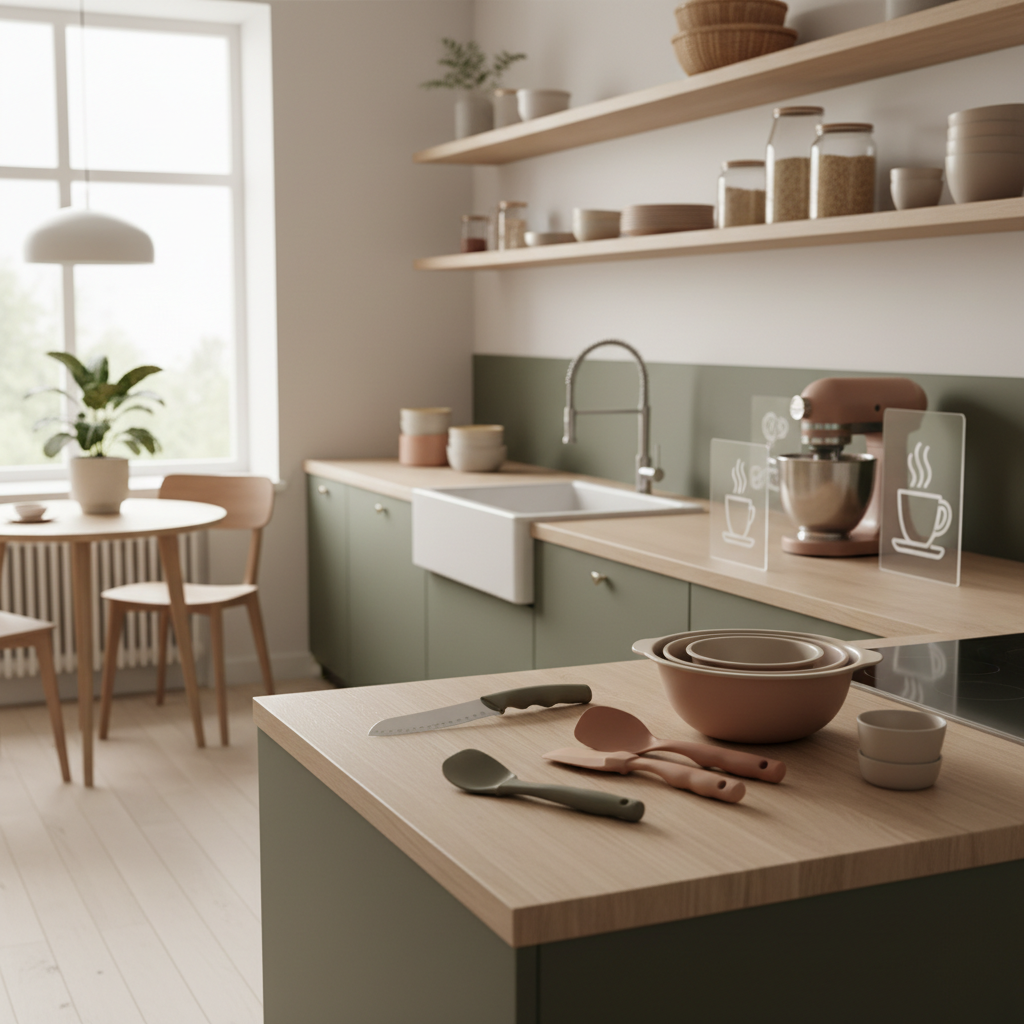
The kitchen should be a place you enjoy, not one you dread. But for seniors dealing with arthritis, reduced grip strength, stiff joints, or balance issues, even routine cooking tasks can become tiring or unsafe. The right gadgets change that equation — not by making the kitchen feel clinical, but by quietly removing the friction points that make cooking hard.
This is our complete guide to the best kitchen gadgets for seniors with limited mobility in 2026. We cover every major category: openers, cookware, small appliances, prep tools, and safety aids. If you’re outfitting your own kitchen or putting together a practical gift for a parent, use this as your reference.
How We Chose These Picks
We focus on three things: ease of use with limited hand strength, safety, and genuine durability. We avoid recommending novelty gadgets that work once and break, or “adaptive” products that look medical and feel stigmatizing.
Every product here is something a senior can use independently. Where relevant, we note when a caregiver’s help might be needed for setup — but the goal is tools that preserve independence in the kitchen.
Jar and Can Openers: The First Problem to Solve
If there’s one kitchen upgrade that makes an immediate difference, it’s replacing whatever jar and can opener you’re currently using.
OXO Good Grips Jar Opener remains our top recommendation for manual jar opening. The wide lever pries the vacuum seal off the lid with a single press — no twisting, no wrestling. It handles everything from pickle jars to pasta sauce.
For electric convenience, the Hamilton Beach Open Ease Automatic Jar Opener sits on top of the lid, grips it automatically, and spins it open without any hand involvement. It takes a few seconds longer than the lever version but requires essentially zero grip strength.
Cans are handled best by the OXO Good Grips Smooth Edge Can Opener. It cuts along the side of the lid rather than the top, which removes sharp edges entirely — a real safety benefit. The handles are wide, the turning knob is large, and the grip is comfortable for extended use.
Lightweight Cookware: The Safety Issue People Underestimate
A heavy pan slipping from a weakened grip is one of the most common kitchen injuries for older adults. Moving to lighter cookware is a straightforward safety upgrade that also makes everyday cooking less tiring.
Rachael Ray Cucina Hard-Anodized Nonstick Cookware is a practical choice across the board. The 10-inch skillet weighs under 3 lbs, the nonstick surface requires minimal oil and cleans up quickly, and the handles are comfortable to hold. The full set is affordable, and individual pieces are easy to replace.
For anyone who prefers a trusted American brand, Cuisinart’s lightweight nonstick line offers similar performance with slightly more color and style options.
One useful tip: even with lighter pans, filling a pot only halfway before moving it from the sink to the stove reduces effective weight significantly. A long-handled pot filler faucet — a plumbing upgrade worth considering in a kitchen remodel — eliminates carrying water altogether.
Stand Mixers and Food Processors: Let the Machine Work
Repetitive hand motions — mixing batter, kneading dough, chopping vegetables — are among the most joint-stressful kitchen tasks. The right small appliances eliminate them entirely.
The KitchenAid Classic Stand Mixer is our top pick overall for this guide. It’s not cheap, but it’s the kind of purchase you make once. It handles mixing, whipping, and kneading entirely on its own, and dozens of attachments (pasta maker, food grinder, slicer) extend it far beyond baking. It’s heavy enough that it stays on the counter — which is actually an advantage, since you never have to lift it.
For chopping, the Cuisinart 7-Cup Food Processor takes care of onions, nuts, herbs, and vegetables with one push of a large button. It’s faster and safer than knife work for anyone whose hands are unreliable. The wide feed tube accommodates most vegetables without pre-cutting.
If a full food processor is more than you need, the Cuisinart Mini Prep Plus (3.5-cup) handles smaller jobs — a clove of garlic, a handful of nuts, a quick salsa — without the bulk or the cleanup.
Electric Kettles and One-Touch Appliances
Pouring from a heavy stovetop kettle or lifting a full coffee carafe are both harder than they look when your wrists are stiff. Small adjustments here have a meaningful impact on daily comfort.
An electric kettle with a stay-cool handle and auto-shutoff is a straightforward upgrade. The Hamilton Beach 1.7-Liter Electric Kettle is lightweight, heats water faster than a stovetop, and shuts off automatically — no risk of boiling dry. For anyone who finds lifting even a lightweight kettle awkward, a kettle tipper cradle (a tipping stand that tilts the kettle without lifting) removes that motion entirely.
For coffee, the Cuisinart 12-Cup Programmable Coffee Maker with a thermal carafe keeps coffee hot without a heating plate and pours easily from a lighter insulated carafe. Set it the night before, and it’s ready when you wake up — no morning effort required.
Prep Tools: Cutting Boards, Peelers, and Measuring
The details of prep work add up. A few specific tools make a consistent difference.
OXO Good Grips Cutting Boards with Non-Slip Feet stay put on the counter without any holding — important when your grip strength is limited and you need one hand for the knife. The boards with built-in food guides and corner guards are even more useful for one-handed prep.
OXO’s ergonomic peeler has a wide, cushioned handle that is far easier on arthritic fingers than a thin metal peeler. The swiveling blade adapts to the curve of vegetables, reducing the pressure you need to apply.
For measuring, the OXO Good Grips Angled Measuring Cup lets you read measurements from above rather than crouching to read the side — a small change that matters when bending and crouching are difficult. The Progressive International Baker’s Canister Set uses wide-mouth containers with easy-grip lids that stack cleanly and are far easier to scoop from than a narrow flour bag.
Kitchen Safety: What Often Gets Overlooked
Mobility limitations in the kitchen aren’t just about making tasks easier — they’re about reducing the conditions that lead to accidents.
Stove knob covers and automatic stove shut-off devices (like the Wallflower Smart Stove Knob) add a layer of protection against leaving a burner on unintentionally. These matter more as short-term memory becomes less reliable.
A kitchen mat with beveled edges reduces fatigue from standing and provides anti-slip traction — look for mats specifically rated for kitchen use with beveled (not raised) edges that won’t catch a foot or a cane tip.
Long-handled reachers are a kitchen tool many seniors resist until they try one. Retrieving items from low shelves or the back of a cabinet without bending is safer and genuinely practical. Keep one in the kitchen, not just the bathroom.
Timers and Visibility: Don’t Underestimate These
Small controls and tiny readouts are legitimately difficult with aging eyes and stiff fingers. Upgrading your timer and a few display elements costs almost nothing but adds real quality of life.
The ThermoPro Digital Kitchen Timer has large tactile buttons, a bright large-digit display, and a magnetic back that holds it to the fridge at eye level. The OXO Good Grips Cook’s Precision Digital Instant Read Thermometer has a large display and reads in 2–3 seconds, which is helpful when holding a probe steady is uncomfortable.
Frequently Asked Questions
What is the single most useful kitchen gadget for a senior with limited grip strength? A quality jar opener — either the OXO Good Grips lever-style or an electric automatic opener — delivers the most immediate improvement in kitchen independence. Jar lids are the most frequent point of frustration, and solving that problem with one tool costs under $30.
Are nonstick pans safe for everyday senior use? Modern PFOA-free nonstick coatings are considered safe for normal cooking temperatures. The more relevant consideration for seniors is that nonstick surfaces require less scrubbing (easier on hands) and less oil (simpler cleanup), and lightweight nonstick pans reduce the risk of dropping or strain injuries. Replace them when the coating shows visible wear or scratching.
How do I set up a kitchen that’s both safe and functional for a senior living alone? The key changes are: keep frequently used items at counter height or on the lower shelves of upper cabinets (between shoulder and hip height); replace heavy cookware with lightweight nonstick alternatives; install a jar opener, electric can opener, and electric kettle; use a non-slip mat; and add a reacher for low-shelf items. These six changes address the majority of practical risks and daily friction points without requiring a full kitchen renovation.